Research
Orphan peroxisomal and mitochondrial proteins
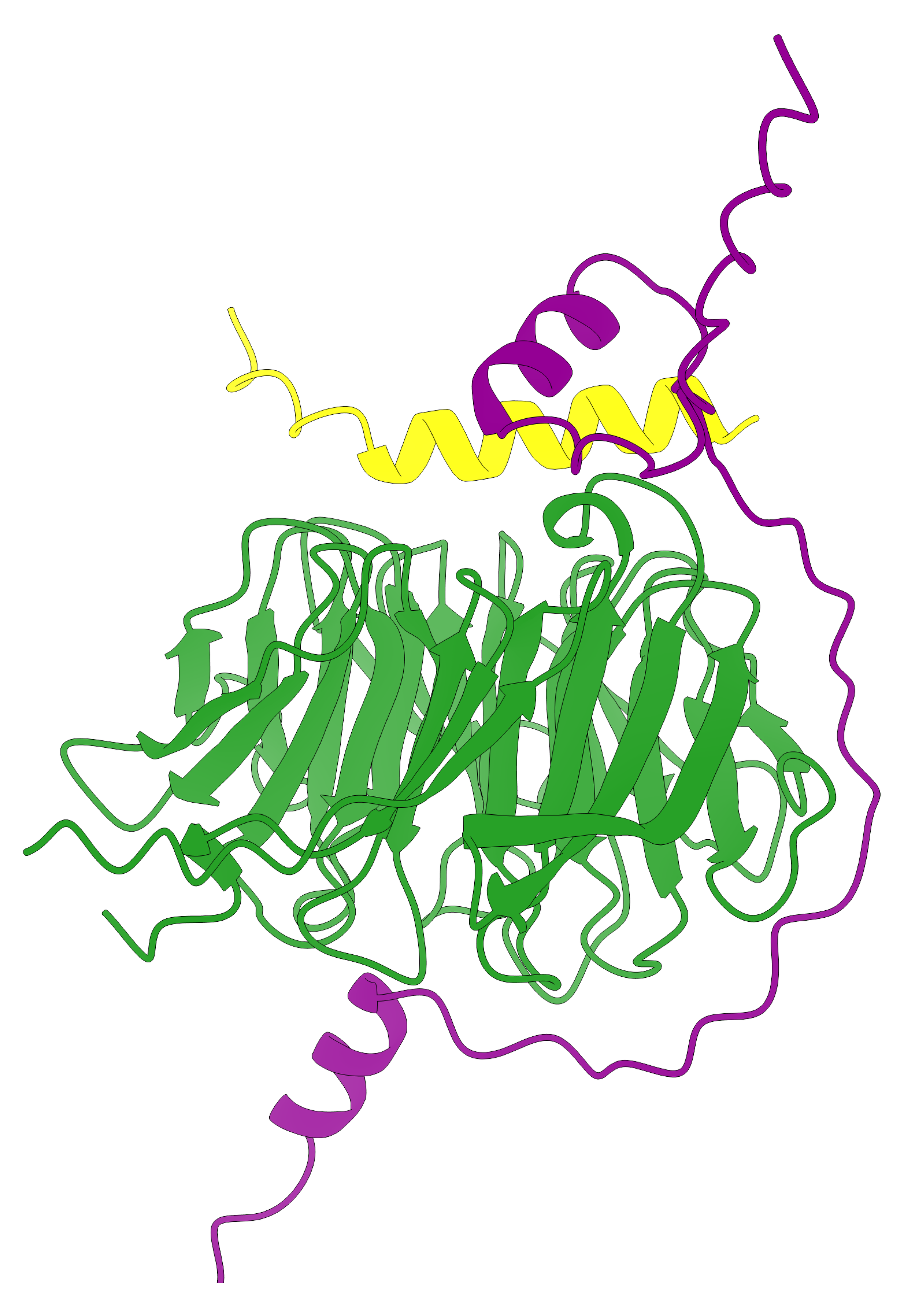
Peroxisomes and mitochondria are essential for human life but our knowledge of the identities and functions of the resident proteins remains incomplete, thus limiting our understanding of metabolism in health and disease. To that end, we have combined insights from neonatal medicine with large-scale biochemical and AI-driven approaches to identify uncharacterized peroxisomal and mitochondrial proteins with the potential for revealing important principles of human metabolism. Using biochemistry, molecular biology, cell culture and mouse models, we define the molecular function and physiological roles of these proteins.
Peroxisomes and mitochondria in specialized cell types
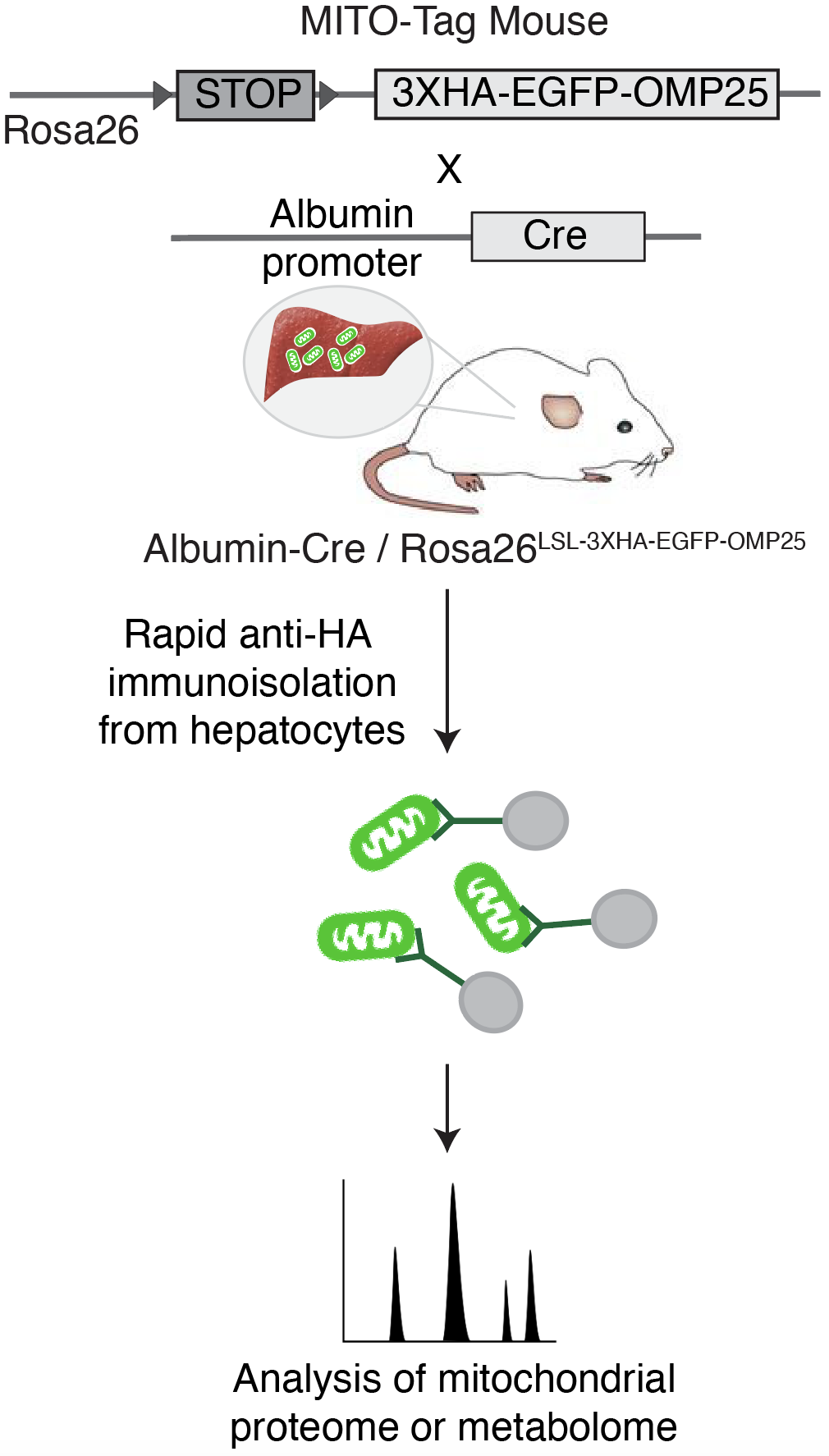
We previously developed the Rapid Organellar Immunopurification technology, which enables rapid and specific isolation of organelles from cells and robust profiling of organellar metabolites. While the technology has become a powerful engine for biological discovery, it has largely been used for studying organelles in cultured cancer cell lines. In our lab, we use the technology to study peroxisomes and mitochondria in specialized, physiologically important cell types (e.g., hepatocytes, neurons) with the goal of identifying novel mechanisms by which these organelles support the demands of cellular specification.
Neonatal brain disorders
Peroxisomal and mitochondrial dysfunction have been implicated in driving common neonatal brain disorders with significant morbidity and mortality, such as Periventricular Leukomalacia and Hypoxic-Ischemic Encephalopathy. However, therapies for treating these diseases are limited. To that end, our lab studies the molecular mechanisms by which peroxisomal and mitochondrial dysfunction contribute to these disorders, with the ultimate goal of discovering new therapeutic strategies.